How Massage Therapy Quietly Transformed My Chronic Pain Management
Living with chronic pain used to define my days—until I gave massage therapy a real shot. It wasn’t a miracle cure, but over time, something shifted. The stiffness in my back eased, my sleep improved, and I felt more in control. This isn’t about instant fixes, but real, gradual relief. If you’re managing a long-term condition, you know how exhausting it can be. What if gentle touch could become part of your daily resilience? Let’s talk about how it did for me.
The Breaking Point: When Pain Became Impossible to Ignore
For years, I treated my back pain as a minor inconvenience, something to push through. I’d wake up stiff, move slowly through the morning, and rely on over-the-counter pain relievers just to get through the day. Simple tasks like bending to tie my shoes or lifting grocery bags became cautious maneuvers. I told myself it was normal aging, that everyone deals with some ache or another. But the truth was, my pain was no longer occasional—it was constant, shaping my routines and shrinking my world.
The turning point came during a family outing. I tried to lift my young nephew to help him reach a tree branch, and a sharp, electric pain shot down my leg. I couldn’t straighten up for nearly ten minutes. The embarrassment and fear were overwhelming. That moment forced me to admit I could no longer ignore what my body was trying to tell me. I made an appointment with my primary care provider, who referred me to a physical therapist. It was during that first session that massage therapy was mentioned not as a luxury, but as a potential tool in a broader pain management plan.
At first, I was skeptical. My only experience with massage was a spa day gift years ago—a nice treat, but nothing I associated with medical care. I worried it would be dismissed as indulgent or ineffective. But my physical therapist explained that clinical massage is different: it’s structured, goal-oriented, and often used alongside other therapies like stretching and strengthening exercises. That conversation shifted my perspective. I realized that managing chronic pain wasn’t about waiting for a cure, but about building a life where I could function, move, and feel present again. Seeking support wasn’t weakness—it was a necessary step toward reclaiming my daily life.
What Exactly Is Massage Therapy? Beyond the Spa Day Myth
Many people think of massage therapy as a pampering experience tied to spas and relaxation weekends. While relaxation can be a benefit, therapeutic massage is a skilled practice grounded in anatomy, physiology, and clinical training. It’s not about scented candles or soft music alone—though those can help set a calming environment. Instead, it’s about targeted techniques applied with intention to address specific physical concerns like muscle tension, scar tissue, restricted movement, or chronic pain patterns.
There are several types of massage used in therapeutic settings. Swedish massage, often considered the most common, uses long, flowing strokes to promote circulation and ease general tension. It’s a good starting point for those new to treatment. Deep tissue massage goes further, applying slower, more focused pressure to reach deeper layers of muscle and connective tissue. This can be especially helpful for long-standing muscle tightness or areas affected by repetitive strain.
Another method, myofascial release, focuses on the fascia—the web-like connective tissue that surrounds muscles, organs, and bones. When fascia becomes tight or restricted due to injury or inactivity, it can contribute to pain and limited mobility. Skilled therapists use sustained pressure and gentle stretching to release these restrictions. Trigger point therapy targets specific knots in muscle fibers that refer pain to other areas of the body. For example, a trigger point in the shoulder might cause pain down the arm.
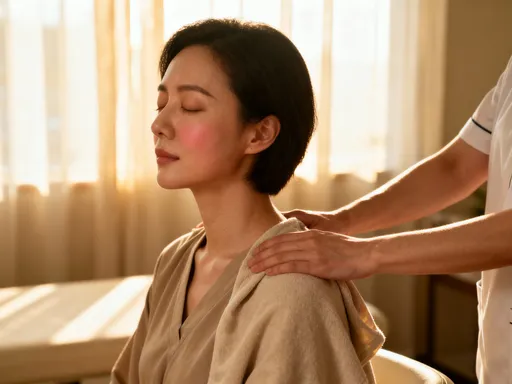
Unlike wellness-focused sessions, therapeutic massage begins with an assessment. A licensed massage therapist may ask about your medical history, areas of pain, daily activities, and goals for treatment. Sessions are tailored, and progress is often tracked over time. Many healthcare providers now recognize massage therapy as a complementary approach, especially for conditions like lower back pain, fibromyalgia, arthritis, and post-surgical recovery. It’s not a replacement for medical care, but a supportive practice that works best when integrated thoughtfully into a broader health plan.
Why It Works: The Science Behind Touch and Pain Regulation
At first, it’s hard to believe that something as simple as touch could influence chronic pain. But research shows that massage therapy triggers measurable changes in the body’s physiology. One of the most well-documented effects is its impact on the nervous system. Chronic pain often keeps the body in a heightened state of alert, activating the sympathetic nervous system—the same system responsible for the “fight or flight” response. Massage helps shift the body toward the parasympathetic state, where relaxation and healing occur.
This shift is accompanied by a decrease in cortisol, the primary stress hormone. Elevated cortisol levels are linked to increased inflammation, poor sleep, and muscle tension—all of which can worsen chronic pain. Studies have shown that regular massage sessions can lead to significant reductions in cortisol, creating a biological environment more conducive to recovery. At the same time, massage stimulates the release of endorphins and serotonin, the body’s natural mood regulators and pain relievers. These chemicals don’t eliminate pain, but they can raise the pain threshold, making discomfort easier to manage.
Improved circulation is another key benefit. When blood flow increases to tight or injured tissues, it delivers oxygen and nutrients while helping to remove metabolic waste products that contribute to soreness. This enhanced circulation supports tissue repair and reduces inflammation. For someone with chronic muscle tension, this means less stiffness and greater ease of movement over time.
Additionally, massage can help retrain the brain’s perception of pain. In chronic conditions, the nervous system can become hypersensitive, sending pain signals even when there’s no active injury. This is known as central sensitization. Regular, gentle input from massage may help “reset” these overactive pathways by providing safe, non-threatening sensory information. Over time, this can reduce the frequency and intensity of pain episodes. While massage doesn’t reverse structural damage, it influences how the body interprets and responds to discomfort—a powerful advantage in long-term management.
My Routine: How I Built a Realistic, Weekly Practice
Starting massage therapy felt overwhelming at first. I wasn’t sure how often to go, how to find the right therapist, or how to fit it into my schedule and budget. I began by talking to my physical therapist, who referred me to a licensed massage therapist with experience in chronic pain conditions. That connection made a big difference—I felt confident that the person treating me understood my needs and could communicate with my care team if necessary.
I started with weekly one-hour sessions, focusing on my lower back, hips, and upper legs. The first few visits were uncomfortable at times, especially when deep tissue work revealed long-held tension. But my therapist encouraged open communication, asking me to rate pressure on a scale and adjust in real time. This collaborative approach helped me feel in control and respected. Over time, I noticed subtle changes: I could stand upright longer, my morning stiffness shortened, and I slept more deeply.
As my body responded, we adjusted the frequency. After about three months, we moved to every other week, then once a month for maintenance. Consistency mattered more than intensity. Skipping sessions when life got busy always led to a return of stiffness, reminding me that this was a long-term practice, not a quick fix. To support the work between appointments, I incorporated self-massage techniques at home. A foam roller helped release tightness in my thighs and back, while a small massage ball targeted knots in my shoulders.
I also learned to listen to my body. Some days called for gentle stretching and light pressure; others required rest. I kept a simple journal to track pain levels, sleep quality, and mood, which helped me see patterns over time. This routine wasn’t perfect, but it was sustainable. It fit into my life as a working mother, not as an added burden. The key was viewing massage not as an occasional treat, but as a regular part of my health maintenance—just like eating well or staying active.
Pairing Massage with Other Habits: A Team Approach to Disease Management
One of the most important lessons I learned is that massage therapy works best as part of a broader strategy. It’s not a standalone solution, but one player on a team of supportive habits. My physical therapist helped me design a gentle movement routine that included daily stretching and short walks. These activities improved my circulation and flexibility, making the effects of massage last longer. Hydration also became a priority—drinking enough water helps flush out metabolic byproducts released during massage and keeps tissues supple.
Posture awareness made a surprising difference. I started paying attention to how I sat at my desk, stood while cooking, or held my phone. Small adjustments, like using a supportive chair or taking standing breaks, reduced strain on my back. My massage therapist showed me how certain muscle imbalances were contributing to my pain, and we worked together to correct them through targeted exercises and ergonomic changes at home.
Communication with my healthcare providers was essential. My primary care doctor monitored my progress and adjusted my pain management plan as needed. I made sure to inform all members of my team about the therapies I was using, ensuring there were no conflicts. For example, when I began a new medication, I discussed it with my massage therapist to ensure it was safe to continue treatment. This collaborative approach gave me confidence that I was making informed choices.
Nutrition also played a supporting role. While no single food cured my pain, I noticed that eating a balanced diet rich in anti-inflammatory foods—like leafy greens, fatty fish, nuts, and berries—helped me feel more energized and less achy. I avoided excessive sugar and processed foods, which seemed to increase inflammation. None of these changes were drastic, but together, they created a foundation that allowed massage therapy to be more effective. It was like building a support system for my body, one small habit at a time.
Missteps and Lessons: What I Got Wrong at First
My journey wasn’t without setbacks. In the beginning, I expected faster results. After just two sessions, I was disappointed that my pain hadn’t disappeared. I almost quit, thinking it wasn’t working. Looking back, I realize I was holding onto the myth of the quick fix—the idea that one treatment should solve everything. Chronic pain doesn’t develop overnight, and it doesn’t resolve that way either. Healing is gradual, and progress is often measured in small victories: sleeping through the night, reaching the top shelf without wincing, enjoying a walk with a friend.
Another mistake was treating massage as optional. When work got busy or family needs piled up, I was the first to cancel my appointment. I viewed it as self-indulgent rather than essential. But each time I skipped a session, my body reminded me why I started. The stiffness returned, my mood dipped, and my energy levels dropped. I learned that self-care isn’t selfish—it’s necessary. Just as I wouldn’t skip a prescription medication, I now treat my massage appointments as non-negotiable parts of my health routine.
I also underestimated the importance of communication. Early on, I stayed quiet when pressure felt too intense, not wanting to seem difficult. But my therapist encouraged feedback, reminding me that effective treatment requires honesty. Once I started speaking up, the sessions became more effective and comfortable. I learned to advocate for myself—to ask for lighter pressure, to mention new areas of discomfort, to share what was working and what wasn’t. This empowered me to take an active role in my care, rather than passively receiving treatment.
Why This Isn’t a Cure—And Why That’s Okay
Massage therapy has not cured my chronic pain. Some days are still harder than others. But it has changed my relationship with pain. Instead of feeling trapped by it, I now feel equipped to manage it. The relief isn’t dramatic, but it’s real—a softer edge here, a little more mobility there. More importantly, I’ve regained a sense of agency. I’m no longer waiting for a miracle. I’m building a life that accommodates my condition without letting it define me.
The emotional benefits have been just as significant as the physical ones. Chronic pain can be isolating, making you feel disconnected from your body and your life. Massage has helped me reconnect. The consistent, compassionate touch has reduced my anxiety and improved my body awareness. I notice tension earlier, respond to it sooner, and treat myself with more kindness. This isn’t about eliminating pain completely—it’s about living well despite it.
Normalization is key. Just as someone with high blood pressure takes medication daily, or a person with diabetes monitors their diet, ongoing care is part of managing chronic conditions. Massage therapy is one of my tools—a quiet, consistent presence in my routine. It’s not flashy or fast, but it’s reliable. It reminds me that healing isn’t always about fixing, but about tending, listening, and adapting. And in that slow, steady attention, I’ve found resilience I didn’t know I had.
Massage therapy didn’t erase my pain, but it gave me tools to move through life with more ease and less fear. It’s not magic—it’s medicine in a different form. When integrated with professional guidance and self-awareness, it becomes a quiet force in long-term disease management. The real win? Feeling listened to by my own body again. Always consult a healthcare provider before starting any new therapy—this journey is personal, but it shouldn’t be walked alone.