Hidden Markets of Kumasi: Where Culture Sells Itself
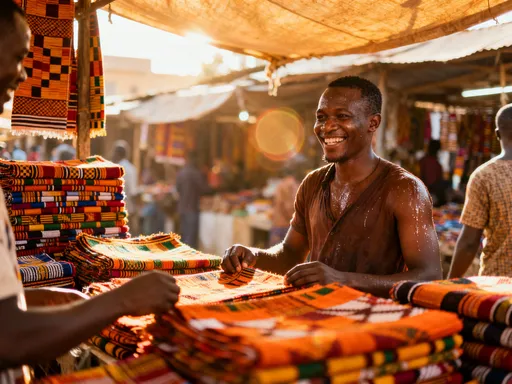
You know that feeling when you stumble upon a place that Google just doesn’t get? That’s Kumasi. Beyond the well-trodden paths lies a world of vibrant, chaotic, soulful markets where every fabric, carving, and spice tells a story. I’m talking real, raw Ghana—where shopping isn’t transactional, it’s transformational. This is more than retail; it’s a cultural deep dive, one haggled handshake at a time. In Kumasi, the heartbeat of the Ashanti Kingdom, commerce and culture are inseparable. Here, markets are not just places to buy and sell—they are stages where heritage is performed daily, where ancestral wisdom is woven into cloth and carved into wood. To walk through these alleys is to witness living history, where tradition isn’t preserved behind glass but lived with pride and purpose.
Why Kumasi? Uncovering Ghana’s Cultural Heart
Kumasi, often referred to as the cultural capital of Ghana, stands as the historic seat of the Ashanti people, one of West Africa’s most influential and enduring kingdoms. Founded in the late 17th century, the Ashanti Empire was renowned for its political sophistication, military strength, and rich artistic traditions—many of which continue to thrive today. Unlike more cosmopolitan cities, Kumasi remains deeply rooted in its heritage. The Manhyia Palace, still home to the Asantehene (the King of the Ashanti), serves not only as a royal residence but as a living symbol of unity and tradition. Ceremonial processions, drumming, and the display of golden regalia are not performances for tourists but integral parts of community life.
It is within this context that Kumasi’s markets gain their deeper significance. They are not isolated shopping zones but extensions of the city’s cultural and spiritual identity. Here, the same symbols that adorned Ashanti warriors centuries ago now appear on textiles worn by market vendors. Proverbs once whispered in royal courts are stamped onto cloth using Adinkra ink. The marketplaces reflect the values of the Ashanti people—resourcefulness, resilience, and a deep respect for ancestry. For the thoughtful traveler, visiting Kumasi offers a rare opportunity to engage with a culture that has preserved its integrity through generations.
What sets Kumasi apart from other African urban centers is the authenticity of its cultural expression. While many cities have modernized to the point of cultural dilution, Kumasi maintains a balance between progress and preservation. This is evident in the way traditional medicine is still practiced alongside modern clinics, or how elders sit under mango trees discussing community matters while youth pass by on motorbikes. The markets mirror this duality: plastic-wrapped imports may sit beside handwoven baskets, but the soul of the place remains undeniably local. For visitors seeking more than photo opportunities, Kumasi invites participation—through conversation, observation, and mindful exchange.
Kejetia Market: Chaos with Purpose
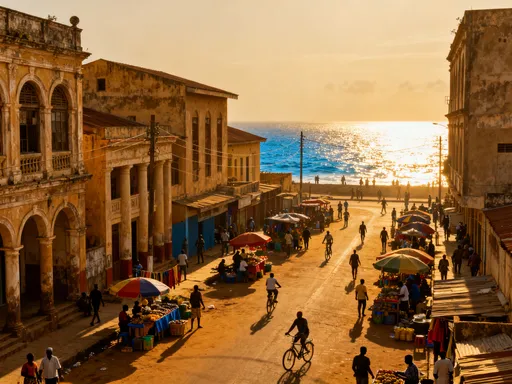
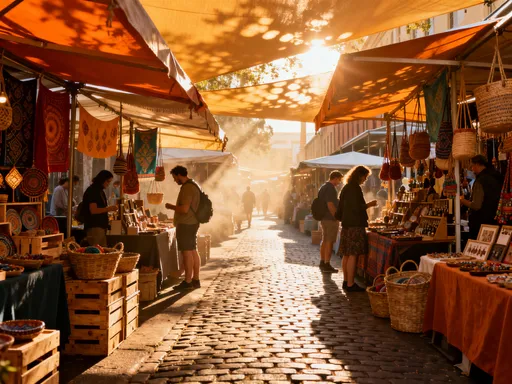
If Kumasi is the heart of Ashanti culture, then Kejetia Market is its pulse. As the largest open-air market in West Africa, Kejetia spans over 15 acres and hosts an estimated 10,000 traders daily. To first-time visitors, the scene can feel overwhelming: a labyrinth of narrow aisles packed with everything from school uniforms to live chickens, car parts to dried fish. The air hums with the chatter of vendors, the blare of horns from delivery trucks, and the rhythmic pounding of mortars in food stalls. Yet within this apparent chaos lies a finely tuned ecosystem of trade, community, and survival.
Kejetia is not just a marketplace—it is a vital economic engine for the entire region. Goods arrive from rural villages, neighboring countries, and international ports, passing through a network of wholesalers and resellers before reaching consumers. The market operates on a system of specialization: certain alleys are dedicated to fabrics, others to electronics, spices, or footwear. This organic zoning, developed over decades, allows both locals and seasoned visitors to navigate with surprising ease. For the Ashanti people, Kejetia is more than a source of livelihood; it is a social hub where news is exchanged, relationships are forged, and traditions are quietly upheld.
For travelers, visiting Kejetia requires preparation and respect. The best time to explore is early in the morning, between 7:00 and 10:00 a.m., when the heat is manageable and vendors are most receptive. It’s advisable to travel with a local guide, especially for first-timers, to avoid getting lost and to gain insights into the market’s hidden corners. Dress modestly, carry only essential belongings, and keep valuables out of sight. While most vendors are welcoming, pickpocketing can occur in crowded areas, so vigilance is key.
Engaging with sellers should be done with patience and courtesy. A simple greeting in Twi, such as "Maakye" (Good morning), can open doors to meaningful interactions. Avoid photographing people without permission, particularly elders or those deeply focused on their work. Remember, this is not a stage—it is someone’s workplace and livelihood. When done right, a visit to Kejetia becomes more than a shopping trip; it becomes a lesson in resilience, community, and the quiet dignity of daily labor.
Craft Hubs Beyond the Crowd: Adanwomase and Ntonso
Just a short drive from Kumasi’s bustling center lie the quiet villages of Adanwomase and Ntonso, where the art of traditional textile making thrives. These communities are guardians of ancient techniques that have been passed down through generations. In Adanwomase, the focus is on Kente cloth—one of Ghana’s most iconic cultural symbols. In Ntonso, artisans specialize in Adinkra printing, a process that combines craftsmanship with spiritual meaning. Unlike mass-produced versions sold in tourist shops, the textiles created here are made entirely by hand, each piece bearing the unique imprint of its maker.
Kente weaving is a meticulous process that begins with the preparation of silk or cotton threads. Weavers, often men, sit at wooden looms that have changed little over centuries. The rhythmic clack of the loom is accompanied by chants and proverbs, many of which relate to the patterns being woven. Each design has a name and meaning—"Sika Futuro" (gold dust) symbolizes wealth and prosperity, while "Eban" (security) represents safety and protection. The colors, too, carry significance: red for blood and sacrifice, green for growth and renewal, yellow for fertility and beauty.
In Ntonso, the creation of Adinkra cloth is equally symbolic. The process starts with the harvesting of the bark from the Badie tree, which is boiled to produce a dark, ink-like dye. Artisans then carve Adinkra symbols into calabash stamps—each symbol representing a philosophical concept or proverb. The cloth is stamped by hand, often in repetitive patterns, creating a meditative rhythm. Common symbols include "Gye Nyame" (Except for God), expressing faith in divine power, and "Sankofa," a bird turning its head backward, which teaches the value of learning from the past.
Visitors to these villages are often welcomed into family-run workshops, where they can observe the entire process and even try their hand at weaving or stamping. These experiences are not staged performances but genuine invitations to learn. Many artisans welcome questions and are proud to share their knowledge. By purchasing directly from them, travelers support sustainable livelihoods and help preserve cultural heritage. It is important, however, to avoid vendors who sell “sacred” Adinkra symbols on items like swimsuits or beer mugs—this is considered disrespectful. Authentic engagement means honoring the context and meaning behind these traditions.
The Real Deal: Finding Authentic Souvenirs
In a world of mass production, finding truly handmade souvenirs can be challenging. Kumasi’s markets are filled with both genuine crafts and cheap imitations, often imported from Asia and repackaged as “local.” Discerning the real from the replica requires attention to detail and a willingness to ask questions. The key is to look beyond price and packaging and focus on the materials, construction, and story behind each item.
When it comes to Kente cloth, authenticity can be detected by touch and sight. Genuine Kente is tightly woven, with crisp, clean edges and vibrant, non-fading colors. The back of the fabric should show the same precision as the front—machine-made versions often have loose threads or uneven patterns. Real Kente is also heavier due to the density of the weave. For wooden carvings, look for smooth, hand-sanded surfaces and natural grain patterns. Mass-produced items often have a plastic-like finish and lack the subtle imperfections that indicate handcrafting.
Adinkra cloth should feel slightly textured, with ink that has soaked into the fabric rather than sitting on top. The stamps should be consistent but not perfectly uniform—each impression varies slightly due to the hand-stamping process. Be cautious of bright, unnatural colors; traditional dyes are derived from plants and minerals and tend to have earthy tones. If in doubt, ask the vendor about the production process. Artisans are usually eager to explain their work, while resellers may give vague answers.
To ensure ethical purchases, seek out cooperatives and community-based projects. The Ntonso Adinkra Village, for example, operates as a collective where profits are shared among artisans and reinvested in local education. Similarly, the Kente Weavers Association in Adanwomase offers transparent pricing and guided tours. These organizations provide a direct link between traveler and maker, eliminating middlemen and ensuring fair compensation. By choosing such sources, visitors not only acquire meaningful souvenirs but also contribute to cultural preservation.
Bartering the Right Way: Culture, Not Combat
Haggling is a common practice in Kumasi’s markets, but it is often misunderstood by foreign visitors. In Western contexts, negotiation can feel adversarial—a battle to secure the lowest price. In Ghana, however, bartering is more akin to a conversation, a dance of mutual respect and social connection. The goal is not to “win” but to reach a fair agreement that honors both buyer and seller.
Successful haggling begins with a smile and a greeting. Starting with a friendly “Maakye” or “Akwaaba” (Welcome) sets a positive tone. When discussing price, it’s helpful to have a general idea of market value. For example, a small Adinkra-printed placemat might reasonably cost between 10 and 15 Ghanaian cedis (GHS), while a full-length Kente stole could range from 150 to 300 GHS depending on quality. Asking “What is your best price?” is more effective than bluntly stating a low offer.
Vendors often quote higher prices to tourists, anticipating negotiation. A respectful counteroffer—around 20 to 30 percent below the initial price—is typically appropriate. The key is to remain patient and observant. If the vendor hesitates or smiles but holds firm, they may already be offering a fair rate. Walking away is acceptable, but it should be done politely, perhaps with a “Let me think” rather than a dismissive gesture. In many cases, the vendor may call you back with a better offer.
One traveler recalled spending 20 minutes negotiating a carved wooden stool, only to end up paying the original price after a long conversation about the symbol on its base. “I didn’t feel cheated,” she said. “I felt like I’d bought more than an object—I’d bought a story.” This is the essence of ethical bartering: it’s not about the money exchanged, but the connection formed. When done with respect, haggling becomes a bridge between cultures.
Beyond Fabric: Food, Spices, and Forgotten Flavors
While textiles often take center stage, Kumasi’s markets offer another treasure trove: food. The market’s food sections are a sensory journey in themselves, where the scent of roasting plantains mingles with the tang of fermented cassava and the earthy aroma of dried fish. For travelers interested in culinary exploration, these stalls provide a window into Ghanaian daily life and traditional diets.
One of the most intriguing ingredients is prekese, a disc-shaped fruit with a sweet-sour flavor used in soups and stews. Known for its medicinal properties, it is believed to aid digestion and reduce inflammation. Grains of paradise, a peppery seed related to cardamom, add warmth to dishes and were once so valuable they were called “African pepper” in European trade. Raw shea butter, unrefined and ivory-colored, is sold in mounds and used both in cooking and skincare—a natural alternative to commercial lotions.
Visitors can sample local snacks like chinchin, a crunchy fried dough flavored with nutmeg, or kelewele, spiced plantain cubes tossed in chili and ginger. Fresh palm wine, tapped from palm trees and sold in calabashes, offers a mildly sweet, fermented taste—best enjoyed in the morning when it’s freshest. These foods are not just sustenance; they are expressions of regional identity and ancestral knowledge.
Purchasing these items supports small-scale farmers and women-led cooperatives who rely on the market for income. Many spices and grains are grown organically and processed by hand, making them not only authentic but sustainable. Travelers can bring home dried spices, shea butter, or packaged snacks that are permitted by customs regulations. Doing so allows them to recreate a taste of Ghana and share it with loved ones—turning a personal experience into a communal one.
Traveler’s Responsibility: Sustainable Shopping Choices
As tourism grows in Kumasi, so does the responsibility to shop mindfully. The demand for souvenirs can lead to overproduction, environmental strain, and the commodification of sacred symbols. Some artisans, under pressure to meet tourist expectations, may dilute traditional methods or create “tourist-only” versions of spiritual items. This not only devalues the culture but risks misrepresenting it.
Sustainable shopping means making intentional choices. It means buying fewer, higher-quality items rather than filling suitcases with trinkets. It means asking questions about origin and production. It means supporting businesses that prioritize fair wages, environmental care, and cultural integrity. Social enterprises like the Center for National Culture in Kumasi offer craft sales where proceeds fund local apprenticeships and preservation efforts. These models ensure that tourism benefits the community, not just individual vendors or foreign exporters.
Cultural appropriation is another concern. Wearing sacred Adinkra symbols without understanding their meaning, or using ritual objects as home decor, can be disrespectful. Travelers should approach cultural items with humility, recognizing that some traditions are not meant for export. When in doubt, it’s better to observe, learn, and appreciate rather than possess.
Finally, sustainability includes environmental awareness. Plastic packaging, imported materials, and non-biodegradable dyes harm both local ecosystems and the authenticity of crafts. Choosing items made with natural fibers, plant-based dyes, and minimal packaging reduces this impact. Carrying a reusable bag and refusing single-use plastics are small but meaningful acts.
Conclusion
Shopping in Kumasi isn’t about what you take home—it’s about what you take in. These markets aren’t performances; they’re living traditions. When you buy thoughtfully, you don’t just own a piece of Ghana—you honor it. Every transaction, when done with respect, becomes an act of cultural exchange. The colors, scents, and sounds of Kumasi linger long after the journey ends, not as memories of things acquired, but as lessons in connection, resilience, and meaning. In a world that often values speed and convenience, Kumasi reminds us that the most valuable experiences are those that require time, presence, and heart. So come not as a consumer, but as a witness. Leave not just footprints, but fairness, dignity, and deep appreciation.