Lost in the Pulse of Edmonton: A Wandering Eye Sees All
Have you ever just wandered without a plan and stumbled upon something unforgettable? That’s exactly how I found myself falling for Edmonton—quiet streets humming with life, unexpected art tucked in alleyways, golden light spilling over the river valley at dusk. This isn’t about ticking off landmarks. It’s about slowing down, looking closely, and letting the city reveal itself. The viewing experience here isn’t just sightseeing—it’s sensing the soul of a place, one unplanned moment at a time. In a world where travel often feels rushed and curated, Edmonton offers a rare invitation: to wander without purpose and discover beauty in the accidental glance, the quiet corner, the fleeting play of light on brick.
The Art of Aimless Wandering in a Northern City
Edmonton does not reveal itself all at once. Unlike cities designed around grand boulevards and iconic monuments, this northern capital unfolds in fragments—through a patch of sunlight on wet pavement, the echo of footsteps in an empty arcade, or the sudden glimpse of a garden blooming behind a chain-link fence. Its rhythm is subtle, best understood when you let go of schedules and allow curiosity to lead. Aimless wandering is not laziness; it is a deliberate act of openness, a way to tune into the quiet pulse of urban life.
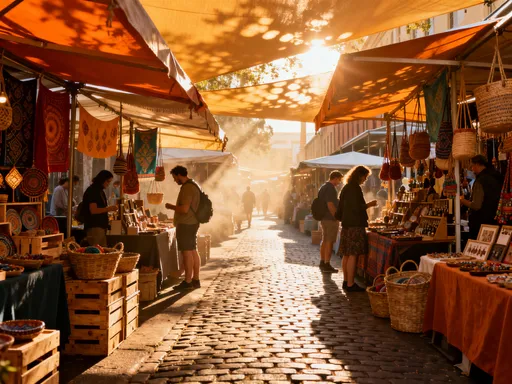
Walking without a destination in Edmonton means encountering the city as locals do: in layered, intimate moments. A morning stroll along the North Saskatchewan River might begin with mist curling off the water, then drift into the scent of coffee from a riverside café, and end with a conversation sparked by a shared bench. In neighborhoods like Strathcona or Oliver, side streets lined with century-old homes and repurposed warehouses invite detours. You might pause at a community garden where neighbors plant vegetables in raised beds, or stumble upon a pop-up market selling handmade ceramics and preserves. These are not attractions listed in guidebooks—they are living moments, the kind that happen only when you’re not looking for them.
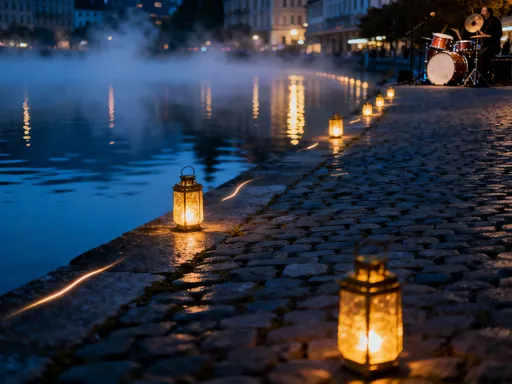
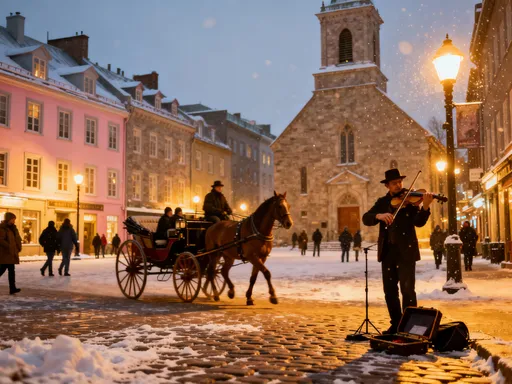
Spontaneity becomes a form of discovery. One winter afternoon, a visitor might follow the sound of a saxophone through Churchill Square and find a lone musician playing under the clock tower, his breath visible in the cold air. Another day, a sudden snow flurry could send families running for cover beneath the awning of a library, laughter ringing out as children catch snowflakes on their tongues. These fleeting scenes are not staged; they are the city breathing. And in that breath, there is authenticity. To wander without a plan in Edmonton is to accept that not every moment needs to be captured or cataloged. Some experiences are meant to be felt, then released.
River Valley: The City’s Breathing Canvas
At the heart of Edmonton’s identity lies the North Saskatchewan River Valley—a vast, green corridor stretching over 7,400 acres, making it the largest urban parkland system in North America. This is not a manicured garden or a fenced-off reserve. It is a wild, ever-changing landscape that moves with the seasons and the moods of the sky. For those who seek beauty in nature’s quiet drama, the river valley offers an endless gallery of shifting light, texture, and sound.
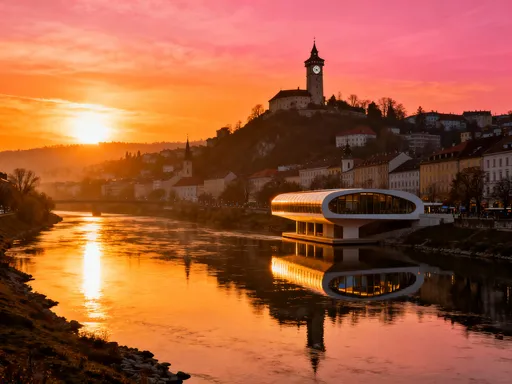
Begin at the High Level Bridge, where the city skyline meets the natural world in a single, sweeping view. At sunrise, the steel trusses glow amber, casting long shadows across the frozen river in winter or reflecting in the slow-moving current during spring thaw. From here, a network of trails winds through forests, meadows, and ravines. William Hawrelak Park, nestled along the riverbank, is a favorite for its open lawns, willow trees, and seasonal gardens. In early May, cherry blossoms bloom in delicate pinks and whites, drawing families for picnics and photographers seeking soft, diffused light. By late September, the aspens turn gold, their trembling leaves creating a shimmering effect in the breeze.
The river valley transforms with each season, offering distinct visual experiences. Winter blankets the trails in snow, turning the landscape into a monochrome study of form and contrast—black tree trunks against white fields, the dark ribbon of the river cutting through silence. Skiers and snowshoers move quietly, their tracks the only disturbance. Spring brings meltwater rushing through creeks, ducks returning to the ponds, and the first green shoots pushing through damp soil. Summer fills the air with the hum of insects, the splash of kayakers, and the scent of wild mint along the paths. Even in the rain, the valley has its charm: puddles mirror the sky, and the scent of wet earth rises with every step.
What makes the river valley so powerful is its accessibility. You don’t need a car or a tour guide to experience it. A simple pair of walking shoes is enough. Whether you’re biking the multi-use trails, jogging beneath the canopy of cottonwoods, or simply sitting on a bench watching the light change, the valley invites you to slow down. It is not a place to conquer but to inhabit. And in that stillness, you begin to see more—not just the scenery, but the way a city and its natural surroundings can coexist in quiet harmony.
Street Art as a Moving Gallery
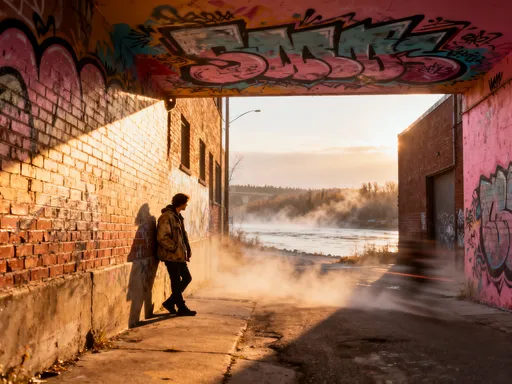
Walls in Edmonton do not merely divide space—they speak. Once marked by random graffiti, the city’s surfaces have evolved into a curated open-air museum, where murals transform alleyways, underpasses, and building facades into vibrant expressions of identity and creativity. This is not decoration for tourists; it is art rooted in community, often painted by local artists or brought in through initiatives like the Edmonton Mural Festival. Each piece tells a story—of heritage, resilience, joy, or protest—turning an ordinary walk into a visual journey.
The Railtown district, just west of downtown, is one of the most concentrated zones of street art. Here, massive murals cover entire sides of buildings, their bold colors and dynamic compositions impossible to ignore. One wall might depict a First Nations elder surrounded by traditional patterns, honoring the land’s original stewards. Another could show a surreal cityscape with floating animals, blending fantasy and urban life. In Old Strathcona, murals take on a more eclectic tone—vintage circus themes, abstract shapes, and playful characters that seem to watch you as you pass. These works are not static; they evolve. Some are temporary, lasting only a season, while others become landmarks, admired and photographed for years.
Walking through these neighborhoods with an eye for detail reveals layers beyond the paint. You notice how light hits a mural at different times of day—how morning sun brings out the blues and greens, while evening shadows deepen the contrasts. You see how the art interacts with its surroundings: a bird perched on a painted windowsill, or a bicycle locked to a fence beneath a mural of a cyclist in motion. Some murals even invite interaction, with optical illusions that shift as you move, or hidden details that only become visible up close.
For visitors, self-guided mural tours offer a rewarding way to explore. Printed maps and mobile apps help locate key pieces, but the best discoveries happen off the route. Turning down an unmarked alley, you might find a small tribute to a local firefighter, or a whimsical cat wearing a crown. These moments remind you that street art is not just about scale or technique—it’s about connection. It turns the city into a living gallery, one where every block has something to say, and every glance can lead to wonder.
The Architecture of Contrast: Old Meets Unfinished
Edmonton’s skyline does not follow a single aesthetic. Instead, it is a conversation between eras—a blend of historic grandeur and modern experimentation that creates visual tension and unexpected harmony. This architectural duality reflects the city’s identity: respectful of its past, yet unafraid to reimagine its future. From the ornate columns of the Alberta Legislature Building to the sleek curves of the Stantec Tower, the city’s structures tell a story of growth, ambition, and adaptation.
The Alberta Legislature Building, completed in 1913, stands as a monument to Beaux-Arts design. Its symmetrical façade, grand staircase, and gold-leaf dome command attention, especially when illuminated at night. The surrounding grounds, with their manicured lawns and reflecting pools, offer a formal counterpoint to the wildness of the river valley just beyond. Yet only a few blocks away, the ICE District rises with a different energy. Glass towers reflect the sky and the movement of people below, their surfaces shifting with the weather and time of day. The Rogers Place arena, with its angular roofline and glowing signage, pulses with the rhythm of concerts and hockey games, becoming a modern civic heart.
What makes Edmonton’s architecture compelling is not just the contrast, but the way old and new coexist. In the downtown core, a preserved façade of the Dominion Hotel—built in 1910—stands like a fossil embedded in a new development, its brickwork and arched windows a reminder of a bygone era. Nearby, the Muttart Conservatory presents another kind of juxtaposition: four glass pyramids set among trees, their geometric forms glowing at night like alien structures planted in the earth. These buildings do not blend; they dialogue. They challenge the eye to see not just style, but story.
Even smaller structures contribute to this narrative. The Art Gallery of Alberta, with its folded-metal exterior, looks like a piece of origami caught in motion. From certain angles, it appears sharp and modern; from others, it softens into flowing lines. This fluidity mirrors the city itself—constantly in motion, never fully finished. For the observant traveler, Edmonton’s architecture is not just about what is built, but how it makes you feel: a sense of continuity, of layers being added, of a city still writing its own design.
Seasons as Storytellers: How Weather Shapes the View
In Edmonton, the landscape is never static. The city’s northern latitude means dramatic seasonal shifts, each bringing a new palette, a new rhythm, a new way of seeing. To visit Edmonton is to understand that weather is not an obstacle—it is a co-author of the experience. What you see depends not just on where you look, but when. Each season paints the city in different tones, offering distinct moods and opportunities for connection.
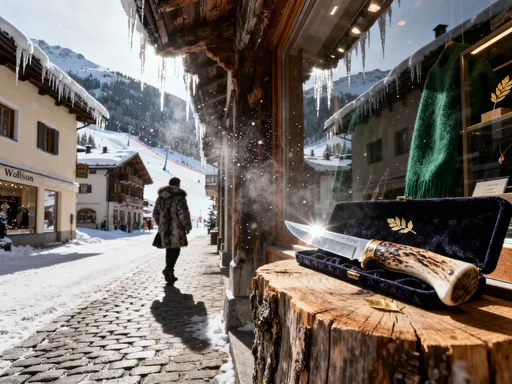
Winter, which can last from November to March, transforms Edmonton into a study in contrast and light. Snow covers rooftops, parks, and riverbanks, softening the city’s edges and muting its sounds. The world feels quieter, more intimate. Yet within this stillness, there is vibrancy. Black tree branches stand out against white fields, and the warm glow of streetlights and café windows creates pockets of gold in the early dusk. Frost patterns form on glass, and steam rises from manholes and vents, adding movement to the cold air. Winter festivals like Ice on Whyte or the Deep Freeze Music Festival bring color and energy to the streets, with ice sculptures lit in neon hues and musicians performing in heated tents.
Spring arrives tentatively, with sudden thaws and late snowfalls. But when it settles, the city bursts into life. Crocuses push through melting snow, willows turn yellow, and the river swells with meltwater. This is a season of renewal, visible in both nature and human activity. Farmers’ markets reopen, patios begin to fill, and cyclists return to the trails. The light changes too—longer days mean golden hours stretch into evenings, casting a soft, hopeful glow over the city.
Summer is abundance. The river valley teems with activity: kayakers glide beneath footbridges, children splash in fountains, and open-air markets overflow with produce and handmade goods. The air is warm, the sky often clear, and the city feels expansive. Evenings are long, with sunlight lingering past 9 p.m., perfect for rooftop drinks or a late walk along the river. Fall, by contrast, is a season of reflection. The aspens turn gold, the air grows crisp, and the light slants low, creating dramatic shadows and rich colors. It is a time to slow down, to notice details—the crunch of leaves underfoot, the scent of woodsmoke, the way the setting sun sets buildings ablaze in orange and red.
For travelers, understanding these shifts means planning with intention. Winter calls for warm layers, insulated boots, and an openness to cold-weather beauty. Summer invites light clothing, sunscreen, and a willingness to join the city’s outdoor rhythm. Each season offers a unique lens, and those who embrace them all discover that Edmonton is not one city, but many—constantly changing, constantly revealing.
Hidden Perspectives: Rooftops, Underpasses, and Quiet Corners
Beyond the main avenues and popular attractions lie quieter vantage points—places where the city slows down and details come into focus. These are not the spots that dominate postcards, but they are often the ones that linger in memory. Rooftop patios, pedestrian underpasses, and secluded footpaths offer alternative ways of seeing, rewarding those who step off the beaten path.
Downtown rooftops, especially at golden hour, provide breathtaking panoramas. From a lounge on the 18th floor, you can watch the sun dip below the horizon, painting the skyline in warm tones while the city lights begin to flicker on. The river winds like a ribbon of silver, and the distant hills glow in the fading light. These spaces are not just for drinking—they are observation decks, where conversation pauses as everyone turns toward the view.
Underpasses, often overlooked as utilitarian spaces, have been reimagined in Edmonton as canvases for art and light. The 102 Avenue underpass near Rogers Place features color-changing LED installations that shift with the seasons, creating an immersive experience as you walk beneath the street. The acoustics amplify footsteps and voices, adding a sensory layer to the visual. These spaces, once dark and avoided, now feel safe and inviting, proof that even the most functional parts of a city can hold beauty.
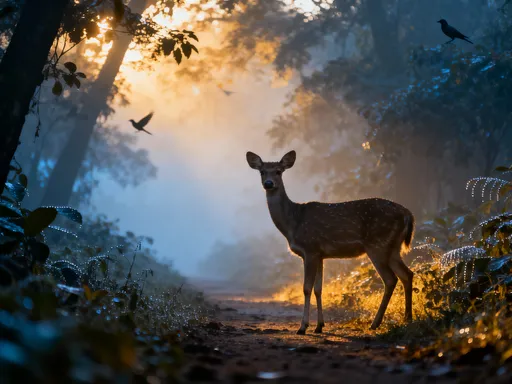
Then there are the quiet corners: the footpath behind the Art Gallery of Alberta, where the sound of traffic fades and you can hear birdsong; the benches overlooking Cloverbar Ravine, where you might spot deer at dawn; or the hidden garden behind a community center in Glenora, where roses bloom in summer and snow dusts the pathways in winter. These places do not advertise themselves. They require curiosity, a willingness to wander, and a habit of looking up, down, and around. But for those who find them, they offer something rare: stillness in the city, and the chance to see not just the place, but yourself within it.
The Slow Lens: Cultivating a Viewer’s Mindset
True seeing is not automatic. It is a practice—one that requires patience, presence, and a willingness to unlearn the habit of rushing. In Edmonton, where beauty often hides in plain sight, the most rewarding experiences come not to those who see the most, but to those who see deeply. This is the slow lens: a way of moving through the world with intention, training your attention to notice what others overlook.
Start by slowing your pace. Instead of walking from point A to B, allow yourself to drift. Pause at a window display, watch people passing, listen to the layers of sound—distant traffic, a dog barking, a street performer’s melody. Limit phone use. Put the camera away for a while. When you stop trying to capture everything, you begin to absorb more. Return to the same spot at different times. A park bench at noon looks different at sunset. A mural seen in rain has a new texture. Even your own mood changes what you notice.
Consider sketching what you see, even if you’re not an artist. The act of drawing forces you to look closely—at the curve of a roofline, the pattern of bricks, the way light falls on a face. You don’t need skill; you need only attention. Journaling works too. Writing down small observations—a child’s red mittens, the smell of popcorn from a vendor, the way fog wraps around a bridge—helps anchor moments in memory.
Edmonton rewards this kind of engagement. It does not dazzle at first glance, but it deepens with time. The city reveals itself not in grand gestures, but in quiet details: the way morning light hits a café window, the sound of boots on a frozen path, the sudden appearance of a mural around a corner. These are the moments that stay with you, not because they were planned, but because you were present enough to see them.
In the end, travel is not just about where you go, but how you look. Edmonton invites you to put down the map, step off the path, and let the city speak. It may not shout, but it whispers—of resilience, of beauty, of life unfolding in unexpected ways. And if you listen closely, if you look slowly, you might just find that the most unforgettable moments are the ones you never planned to see.