You Won’t Believe These Hidden Public Gems in Quebec!
Stepping into Quebec feels like wandering through a living postcard—cobbled streets, European charm, and public spaces that pulse with life. I was blown away by how much character these shared places hold, from quiet squares to vibrant markets. They’re not just pretty—they connect people, culture, and history in the most unexpected ways. If you’re chasing authentic vibes, Quebec’s public spaces are a must-experience. More than scenic backdrops, they are stages where daily life unfolds, traditions thrive, and visitors become part of the rhythm. This is a city that values accessibility, beauty, and community—and it shows in every thoughtfully designed corner.
The Heartbeat of Quebec: Why Public Spaces Matter
Public spaces in Quebec are more than decorative additions to the cityscape—they are the social and cultural heartbeat of daily life. Rooted deeply in French urban tradition yet adapted to North American openness, these shared areas serve as democratic meeting grounds where all are welcome. Whether it’s a grandmother reading on a bench in Place Royale or a group of friends laughing over coffee in Quartier Petit Champlain, these spaces foster connection across generations and backgrounds. Their design reflects a long-standing commitment to walkability, aesthetic harmony, and civic pride.
What sets Quebec apart is how seamlessly history and modern life coexist in its public realm. The city’s planners have preserved centuries-old architecture while ensuring that plazas, promenades, and parks remain functional for today’s residents. This balance is no accident—it results from deliberate urban policies prioritizing human-scale environments over car-centric development. For example, the revitalization of Old Quebec focused not just on restoring buildings, but on creating shaded seating areas, child-friendly zones, and smooth stone pathways that invite lingering and exploration.
Place Royale, often considered the birthplace of French America, exemplifies this blend of heritage and liveliness. Once a bustling colonial marketplace, it now hosts outdoor concerts in summer and twinkling light displays in winter. Its cobblestones tell stories of early settlers, yet today it echoes with the voices of children chasing pigeons and couples sharing crepes. Similarly, Quartier Petit Champlain, recognized as one of the most beautiful public spaces in North America, combines intimate scale with rich textures—stone facades, flower-filled window boxes, and handcrafted signs—that create a warm, inviting atmosphere. These spaces do not merely commemorate the past; they animate it.
Moreover, Quebec’s public areas reflect a philosophy that cities should serve people first. Unlike many urban centers where open spaces are isolated or underused, here they are integrated into the fabric of everyday routines. People commute through them, shop near them, celebrate in them, and even work remotely from café tables lining their edges. This constant activity ensures safety, vibrancy, and a strong sense of ownership among locals. The result is a city that feels both grand and intimate—a rare achievement in modern urban life.
Old Quebec’s Living Stage: Where History Meets Daily Life
Old Quebec, designated a UNESCO World Heritage site in 1985, stands as one of the best-preserved colonial towns in North America. But what truly distinguishes it is that its historic spaces are not frozen in time—they are vibrantly alive. Every morning, sunlight spills across the stone walls of Place d’Armes, illuminating locals walking dogs, tourists sipping lattes, and street artists setting up easels. This central square, framed by the grand façade of Notre-Dame-des-Victoires and surrounded by 17th- and 18th-century buildings, functions as both a landmark and a living room for the community.
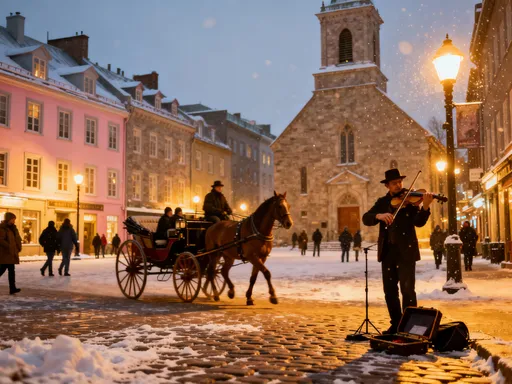
Just steps away, Rue du Petit-Champlain transforms into a stage for performers during peak season. Musicians strum accordions, dancers twirl in traditional costumes, and magicians draw delighted crowds. These spontaneous moments are not staged for tourists alone—they are part of the city’s cultural identity, supported by municipal programs that license and schedule performances thoughtfully. Residents often stop to watch, clap, or even join in, blurring the line between audience and participant. This integration of art into public life makes Old Quebec feel dynamic rather than museum-like.
The fortifications surrounding Old Quebec, originally built for defense, now serve as one of the most unique public promenades in the world. The Chemin des Fortifications offers panoramic views of the St. Lawrence River and the city below. Locals jog, walk dogs, or simply pause to take in the sunset, turning military history into daily recreation. Informational plaques along the path provide historical context without overwhelming the experience, allowing visitors to absorb the past at their own pace.
Preservation efforts have been meticulous, guided by strict architectural codes that ensure new developments harmonize with the old. Yet, this reverence for history does not come at the expense of accessibility. Ramps and tactile paving assist visitors with mobility challenges, while multilingual signage welcomes international guests. The city also limits vehicle access in key zones, making the area pedestrian-first and safe for families. As a result, children play freely near fountains, and elders stroll without concern—signs of a truly inclusive environment.
Perhaps most telling is how locals engage with these spaces. A resident might meet a friend for tea at a terrace overlooking the river, attend an open-air film screening in summer, or bring a thermos of hot chocolate to enjoy during the Christmas market. These rituals are not tourist attractions—they are everyday joys, woven into the rhythm of life. In Old Quebec, history isn’t something you read about; it’s something you walk through, sit in, and live.
Parc des Champs-de-Bataille: A Green Escape in the City
Nestled just beyond the walls of Old Quebec, Parc des Champs-de-Bataille—commonly known as the Plains of Abraham—offers a sweeping green sanctuary that serves as both a recreational haven and a site of profound historical significance. Once the location of the pivotal 1759 battle between British and French forces, the land was transformed in the early 20th century into a public park dedicated to peace and civic use. Today, it spans over 280 acres of open fields, wooded trails, and manicured gardens, offering something for every season and every age.
In spring and summer, the park hums with activity. Families spread blankets for picnics beneath towering oaks, cyclists glide along paved paths, and joggers weave through fragrant lilac bushes. The park hosts dozens of events annually, including outdoor concerts, yoga sessions, and historical reenactments. The Plains of Abraham Museum, located near the main entrance, provides context through interactive exhibits, helping visitors understand the site’s military past while emphasizing its modern role as a place of unity and reflection.
One of the park’s most beloved features is its accessibility. Wide, well-maintained paths accommodate strollers, wheelchairs, and rollerblades alike. Benches are thoughtfully placed for rest and contemplation, many offering views of the distant river or the city’s skyline. Interpretive signs blend storytelling with facts, making history engaging for children and adults. During warmer months, guided walking tours explore everything from botanical life to wartime strategies, enriching the visitor experience without feeling academic.
When winter arrives, the park undergoes a magical transformation. Snow blankets the fields, turning them into vast playgrounds for sledding, cross-country skiing, and snowshoeing. Heated shelters provide warmth for those taking breaks, and rental stations offer gear on-site. The city ensures safety with regular snow removal on main paths and clear signage marking trails. Even in freezing temperatures, the park remains a hub of energy—parents pushing sleds, friends racing down hills, and couples walking hand-in-hand through frosted trees.
What makes Parc des Champs-de-Bataille exceptional is its dual identity: a place of remembrance and a space for joy. It honors the past without being somber, inviting visitors to reflect, play, learn, and connect. For residents, it’s a backyard; for tourists, it’s a revelation. Few cities manage to balance reverence and recreation so gracefully, but Quebec does so with quiet confidence.
Marché du Vieux-Port: More Than Just a Market
The Marché du Vieux-Port, perched along the banks of the St. Lawrence River, is far more than a place to buy groceries—it’s a vibrant public space where food, community, and culture converge. Once a working port filled with cargo ships and fishmongers, the area has evolved into a year-round destination that celebrates local agriculture, craftsmanship, and sustainability. Open daily with expanded hours during summer, the market draws both residents stocking up on seasonal produce and visitors eager to taste authentic Quebec flavors.
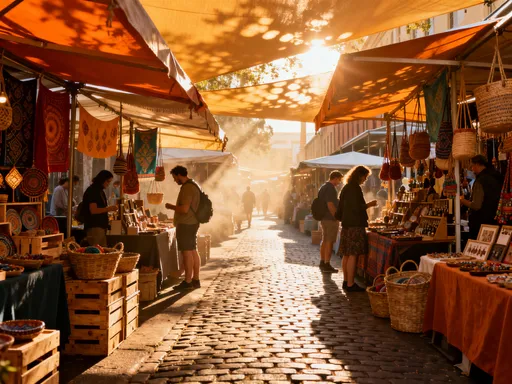
The heart of the market is its farmer stalls, where vendors proudly display baskets of crisp apples, jars of wildflower honey, and wheels of artisanal cheese. Many growers travel from nearby regions like Montérégie and Charlevoix, ensuring freshness and supporting regional economies. Visitors can sample maple butter on warm bread, sip freshly pressed apple cider, or try tourtière served in paper cones. The scents of baking pastries, roasting coffee, and herb gardens mingle in the air, creating an experience that engages all the senses.
Beyond food, the market fosters connection through its layout and programming. Wide walkways encourage strolling and socializing, while communal tables invite strangers to share a meal. In summer, live music fills the air on weekends, and cooking demonstrations teach visitors how to prepare traditional dishes. Children’s workshops—such as making butter or planting seeds—help young visitors understand where food comes from. These activities reinforce the market’s role as an educational and intergenerational space.
For travelers, timing can enhance the experience. Early mornings offer the best selection and a quieter atmosphere, ideal for photography or peaceful exploration. Saturdays bring the largest crowds and the fullest array of vendors, perfect for those seeking energy and variety. Winter visits reveal a different charm: indoor halls stay open, featuring holiday bazaars, mulled wine stands, and craft fairs. The city’s investment in weather protection—like covered walkways and heated entry points—ensures comfort regardless of the season.
Importantly, the Marché du Vieux-Port reflects Quebec’s commitment to sustainability. Many vendors use compostable packaging, and the city promotes reusable bags and containers. Public transit access is excellent, with bus routes and bike lanes leading directly to the site. By prioritizing eco-friendly practices, the market sets an example for urban food spaces across North America. It proves that convenience, quality, and environmental responsibility can coexist.
Public Art & Urban Play: Creativity in Shared Spaces
Quebec doesn’t just preserve its heritage—it celebrates it through creative expression woven into the urban landscape. Public art here is not confined to museums or galleries; it spills onto walls, sidewalks, and park benches, inviting interaction and wonder. One of the most iconic examples is the Fresque des Québécois, a massive mural on the side of a downtown building that depicts over 20 historical figures, from Samuel de Champlain to singer Céline Dion. Painted in vivid detail, it tells the story of Quebec’s evolution in a single glance, drawing visitors in for closer inspection.
But art in Quebec is not just visual—it’s tactile and auditory too. The city features interactive installations like musical staircases, where each step plays a note when stepped on, turning a simple climb into a playful performance. Found in parks and transit areas, these elements delight children and spark smiles from adults. Other installations include kinetic sculptures that move with the wind and light-based displays that change with the seasons, ensuring that public spaces never feel static.
These artistic touches are part of a broader strategy to make the city engaging for families and younger visitors. Playgrounds are designed with imaginative themes—some resemble old forts, others mimic forest clearings—encouraging imaginative play. Benches shaped like animals, whimsical lampposts, and colorful pavement designs turn ordinary walks into adventures. Even utility boxes are transformed into canvases by local artists, proving that beauty can emerge in the most unexpected places.
The city supports these initiatives through grants, artist residencies, and public consultations, ensuring that art reflects community values. Projects often involve local schools or neighborhood groups, fostering a sense of ownership and pride. This participatory approach means that public art feels authentic, not imposed. It’s not just decoration—it’s dialogue.
For visitors, discovering these creative moments becomes a treasure hunt. A child might laugh at a singing staircase, a couple might pause to read the stories behind a mural, or a solo traveler might snap a photo of a hidden sculpture tucked into a garden. These experiences linger longer than any guidebook fact because they are personal, spontaneous, and joyful. In Quebec, creativity isn’t reserved for special occasions—it’s part of daily life.
Winter Magic: How Quebec Transforms Public Life in Cold Months
While many cities retreat indoors when winter arrives, Quebec embraces the cold with ingenuity and spirit. Rather than letting snow and ice shut down public life, the city transforms its spaces into winter wonderlands. The secret lies in thoughtful infrastructure and seasonal programming that keep people moving, connecting, and celebrating—even in subzero temperatures.
One key to this success is the city’s network of heated walkways and underground passages, particularly in the downtown core. These protected routes allow residents and visitors to move between buildings, shops, and transit points without braving the elements. Warming stations, equipped with benches and hot drink vendors, are spaced regularly along major paths, offering quick respites. This system ensures that public spaces remain accessible and comfortable, encouraging outdoor activity year-round.
The most famous example of winter vitality is the Carnaval de Québec, a multi-week festival that draws hundreds of thousands each February. Centered around Place de Paris and the nearby ice palace, the event features night parades, snow sculpture contests, dog sledding, and the beloved Bonhomme Carnaval mascot. The atmosphere is electric—families bundled in colorful coats, musicians playing on ice stages, and the scent of roasted chestnuts filling the air. The city invests heavily in lighting, sound, and safety, ensuring that celebrations are inclusive and secure.
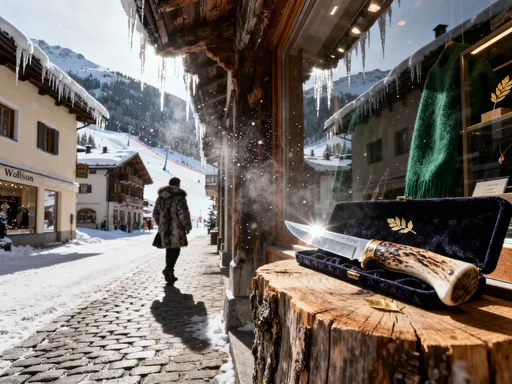
Even outside the carnival, winter public life thrives. The Dufferin Terrace, normally a scenic overlook, becomes a skating rink with panoramic views of the river. Local parks install temporary ice slides and warming huts, while restaurants set up igloo-style domes for outdoor dining. These adaptations show that winter isn’t a barrier—it’s an opportunity for innovation and joy.
For families, the season brings special delights. Children’s programs at community centers include snowman-building contests and lantern walks. Schools organize outdoor learning days, teaching kids about winter ecology and traditional games. These activities reinforce the idea that nature and public spaces are for everyone, in every season. Quebec’s approach reminds us that with the right mindset and infrastructure, winter can be one of the most magical times to experience a city.
Designing for Connection: What Makes Quebec’s Spaces Work So Well
The enduring success of Quebec’s public spaces lies in deliberate, human-centered urban planning. Unlike cities that prioritize speed and efficiency, Quebec values slowness, beauty, and interaction. Its pedestrian zones, mixed-use developments, and climate-responsive designs create environments where people naturally want to linger. This philosophy is evident in everything from the width of sidewalks to the placement of benches and trees.
One of the most impactful choices has been the expansion of car-free areas. In Old Quebec and surrounding neighborhoods, vehicle access is restricted, reducing noise and pollution while increasing safety for walkers and cyclists. This shift has revitalized local businesses, as people are more likely to stop and shop when they’re not rushing to park. Traffic calming measures—like cobblestone surfaces and narrow lanes—further encourage slower, more mindful movement.
Mixed-use development ensures that public spaces are surrounded by homes, shops, cafes, and cultural venues, creating natural foot traffic throughout the day. A plaza near a residential building might host a morning yoga class, a midday farmers market, and an evening concert—all within the same week. This diversity of use prevents spaces from feeling empty or underutilized, a common problem in less integrated cities.
Climate responsiveness is another hallmark. From heated sidewalks in high-traffic zones to windbreaks and sun traps in parks, the city designs with weather in mind. Canopies protect outdoor seating, and landscaping is chosen for year-round visual interest—evergreens in winter, blooming lilacs in spring. These details may seem small, but collectively they make a significant difference in comfort and usability.
When compared to cities where public spaces feel sterile or neglected, Quebec’s approach stands out. There’s a palpable sense of care—benches are clean, trash is collected regularly, and seasonal decorations are thoughtfully installed. This maintenance reflects civic pride and a belief that public spaces are worth investing in. For travelers, the result is a city that feels safe, welcoming, and alive at every hour.
Conclusion: The Soul of a City Is Found in Its Streets
Quebec’s public spaces are not just places to visit—they are experiences to live. They reveal the soul of a city that values connection, beauty, and continuity. Whether you’re sipping cider at the market, tracing history along ancient walls, or laughing at a child’s delight on a musical staircase, you’re not just observing culture—you’re participating in it. These spaces invite you to slow down, to sit, to watch, and to belong, even if only for a moment.
What makes them truly remarkable is their accessibility. You don’t need a ticket or a reservation—just the willingness to step outside, breathe the crisp air, and open your senses. They are democratic by design, open to all regardless of age, background, or language. In an age where so much of travel feels curated or commercial, Quebec offers something rare: authenticity born of daily life.
For families, these spaces provide safe, engaging environments where children can explore freely and parents can relax. For solo travelers, they offer quiet corners for reflection and unexpected conversations. For couples, they create romantic backdrops without pretension. And for long-term residents, they are sources of pride and routine joy.
Ultimately, Quebec teaches us that the heart of any great city beats in its public spaces. They are not afterthoughts—they are the foundation. As you plan your journey, don’t just chase landmarks. Seek out the benches, the markets, the hidden alleys, and the snowy parks. Sit for a while. Let the city reveal itself, one shared moment at a time. Because in Quebec, the streets don’t just lead you places—they welcome you home.